Need sewer line repair in Bremerton?
Tell us what you are noticing, or ask for an estimate. Politicalrequirements Septic will point you to independent providers in the Bremerton area who can look at it.
No obligationRequest an estimate from a local provider
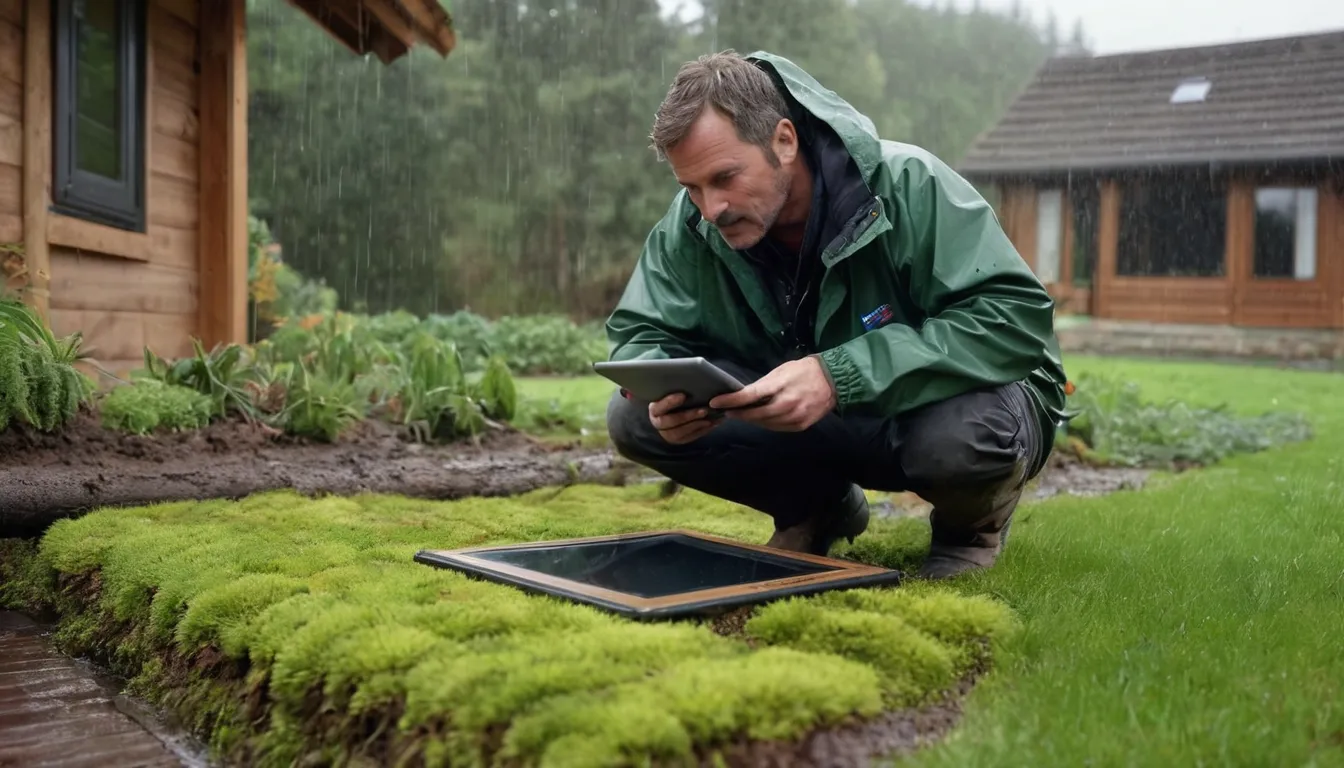
Your sewer line is the buried pipe that carries everything from your drains out to the main sewer or your septic system. Think of it like a garden hose under the lawn. A small crack or a bit of root can seem harmless, but water keeps pushing through the weak spot every day.
In the Bremerton area, long wet seasons soften the soil and feed tree roots, so small cracks tend to grow. Politicalrequirements Septic is a referral service. We connect you with independent providers in our network who inspect, repair or replace sewer lines. The provider does the work, and you decide what happens next.
Picture your home's plumbing as a bathtub with one drain. When that drain clogs, the water has nowhere to go but up. If toilets, tubs and floor drains all act up together, the main sewer line is the likely trouble spot.
Stop using water right away. That means no laundry, no dishwasher and no showers until a provider has looked at it. Keep children and pets away from any spill.
Move rugs, boxes and stored items off any floor that could get wet. Wear gloves and boots if you must touch anything. Skip the store-bought drain chemicals, because they rarely move a broken or root-filled pipe and can harm the people who work on it later.
Request a callback to check provider availability in your area. Hours vary, and many providers can respond quickly when a line is fully blocked.
Wet drywall, insulation and wood act like a sponge. They soak up sewage water fast and give it back slowly. Within a day or two, damp materials can start to smell. After a few days, mold has a real chance to settle in, especially in a crawl space that was already damp from rain.
Some policies may cover sudden damage, so check your policy. Providers can often help document damage for a claim. Take photos before anything is moved.
Most sewer lines warn you before they fail. Read the season and the house together, and watch for these clues:
A sewer pipe is like a long straw. It works until something pinches it, fills it or cracks it. The usual causes are tree roots, age, shifting soil, grease buildup and crushed or sagging sections called bellies, where water pools instead of flowing.
Roots go looking for water and nutrients, and a sewer pipe leaks a little of both through its joints. Mild temperatures mean roots keep growing for much of the year. Steady rain keeps the ground soft, which lets pipes shift. A windstorm can topple a tree and tug on the pipe below it.
Older houses often have clay, cast iron or fiber pipe, and a long run to the street. Joints in those materials open up with age. Newer townhomes usually have plastic pipe, but they may share part of the line with a neighbor. Ask a provider which section serves only your home.
The usual first step is a camera inspection. It works like a doctor's scope, with a small camera on a flexible cable that shows cracks, roots, bellies and breaks on a screen. The provider can also note how far from the house the problem sits, so the repair plan is based on what is actually there.
Spot repair replaces one bad section. Pipe lining slides a resin sleeve inside the old pipe, much like a liner inside a coat. Pipe bursting pulls a new pipe through the old path. Full replacement means a trench. Each suits different damage, so ask why the provider picked it.
In many areas the homeowner owns the pipe from the house to the property line or the connection at the main. Rules differ by city. Providers often handle the permit and call for buried utilities to be marked before any digging starts.
If you have a private well, tell the provider early so water well service lines can be located and kept clear of the work.
A trench in a wet spell fills with water, and heavy soil is hard to move. A dry stretch makes planned work easier. Still, a failing line should not wait for sunshine. Urgent repairs happen in any weather, and planned ones can often be set for a drier window.
Not every house connects to a city sewer. On septic, a slow drain may point to the tank or drainfield, not the pipe. Providers in our network can also handle septic tank pumping, emergency septic cleaning and drainfield repair when the sewer line is not the cause.
A few habits take pressure off a buried pipe:
A trench leaves bare soil, and soil settles. Ask the provider how the ground will be backfilled and packed. Fall is a good time to reseed, since steady rain helps new grass root. Moss will return fast on bare, damp spots, so a little gravel or fresh turf helps.
Good questions keep the job clear:
Request a callback to ask about provider availability.
A small camera travels through the pipe so the provider can see cracks, roots and sags clearly.
Providers can cut or flush out roots that have grown into pipe joints.
Damaged sections can be replaced, or relined from inside to limit digging.
When a pipe has failed along its length, a provider can install a new run.
Prices change with pipe depth, length, soil, access and local permit rules. These are typical U.S. ranges only, so get a written quote after the provider inspects your line.
| Service | Typical range | Notes |
|---|---|---|
| Camera inspection | $100 – $500 | Shows the cause before any repair is chosen |
| Drain or line cleaning | $150 – $800 | Clears roots or buildup, not a broken pipe |
| Spot repair | $1,000 – $4,000 | One damaged section is dug up and replaced |
| Pipe lining | $3,000 – $12,000 | Less digging, depends on length and pipe condition |
| Pipe bursting | $4,000 – $15,000 | New pipe pulled through the old path |
| Full line replacement | $3,000 – $25,000 | Varies by length, depth and yard restoration |
Pause laundry, dishes and showers, and move belongings away from any wet floor or sewage spill.
Request a callback or send the request form to check which providers are available.
A camera inspection shows what is wrong and where, so the plan is clear.
Compare the repair choice, timing and cost before you approve the work.
Rain, soft soil and wind change how a pipe fails and when the work can be done.
You get simple explanations of what is wrong and what each repair option involves.
Providers in our network work in your area and know local conditions and permit habits.
Requesting an estimate does not commit you, so you can compare before you decide.
Tell us what you are noticing, or ask for an estimate. Politicalrequirements Septic will point you to independent providers in the Bremerton area who can look at it.
No obligationCommon signs are slow drains in several fixtures, gurgling toilets, sewage smells, soggy spots in the yard and backups. A camera inspection by a provider is the clearest way to confirm a break.
Yes, it can. Saturated soil can shift pipes, and rainwater can seep into cracked lines. Roots also grow through wet joints, which can slow or block flow during the rainy season.
Coverage depends on your policy. Some policies may cover sudden damage, but wear, age and root damage are often excluded. Check your policy, and ask the provider to help document the damage.
Tell us what you are noticing, or ask for an estimate. Politicalrequirements Septic will point you to independent providers in the Bremerton area who can look at it.
No obligation